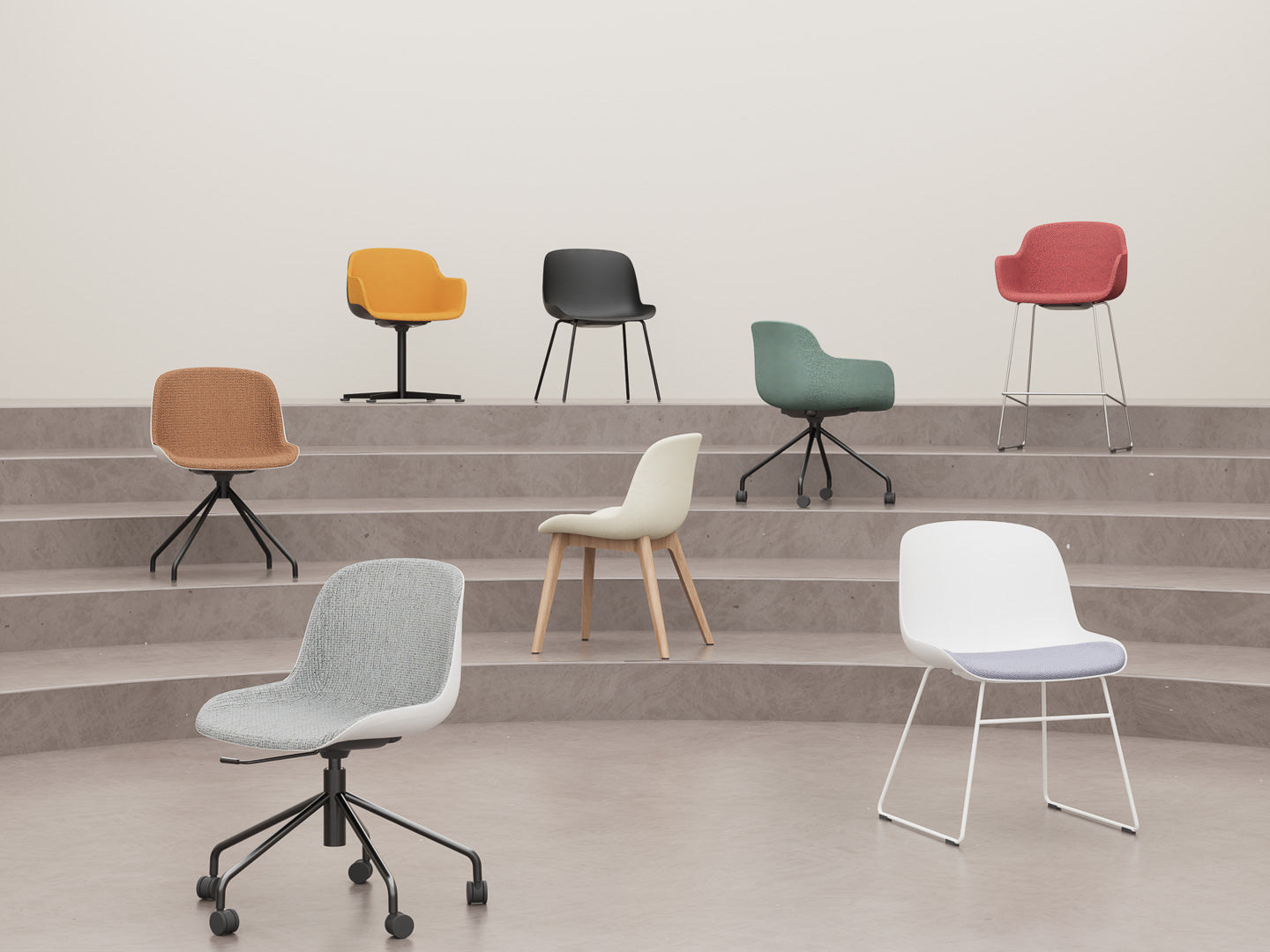
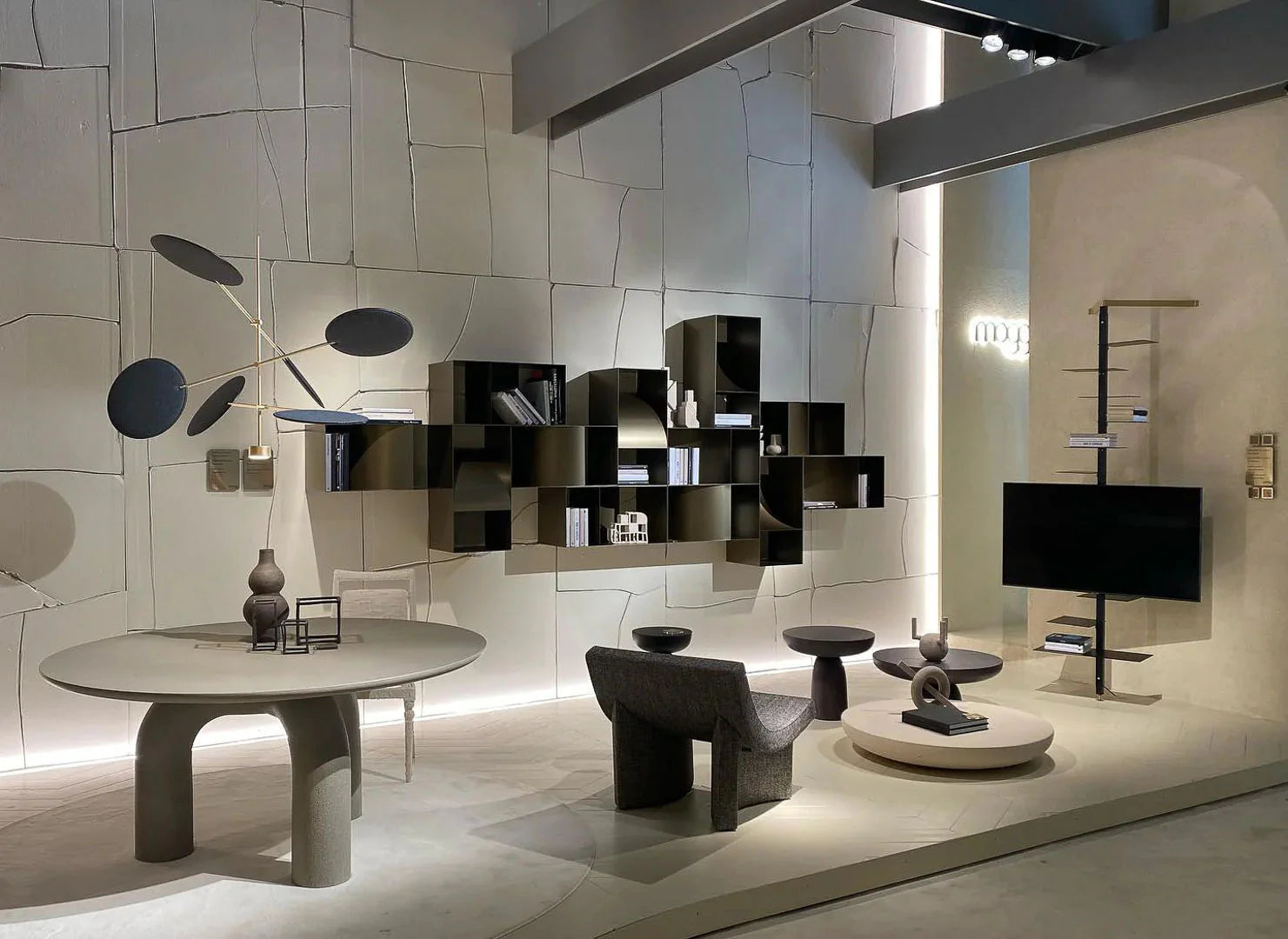
Recently, we hosted the first in a new series of informal conversation nights at the HOW Group showroom, in partnership with Ecolution Design, and it was a huge success.

Rather than a traditional panel and audience setup, we wanted to create a space for genuine knowledge sharing. The room was set up like a lounge room after dinner; chairs pulled close, drinks in hand, questions encouraged, and no pressure to perform. The result was an open, generous conversation about circularity, sustainability, and what meaningful progress actually looks like in the built environment.

We brought together designers, manufacturers, suppliers, and sustainability specialists, all contributing different perspectives but circling around the same core question: how do we do better, realistically, with the influence we each have?

Below is a snapshot of the key themes and conversations from the night. This is intended as a starting point, not a conclusion. We see these events as an ongoing series, and we’re looking forward to continuing the conversation at future sessions.

BY HOW. GROUP
PUBLISHED February 06, 2026

We kicked off by grounding ourselves in the basics: what a circular economy is, and why it’s a better alternative to the traditional linear model. At its core, circularity is about pulling fewer raw resources out of the earth and sending less waste to landfill.

Recycling came up early; not as the hero of sustainability (as it’s often been framed in the past), but as a stepping stone to circularity. Where possible, reuse and repair are consistently superior.

On the policy side, we touched on some sobering stats. Between 2017 and 2023, overall waste generation in Australia grew by just 0.1% per capita, but construction and demolition waste grew by 15% per capita. Cameron from Coreo shared what she knows about the new GBCA Green Star Fitouts tool that she had a hand in developing. She explained how it is shifting the goalposts, replacing the old Interiors tool and moving the industry away from box-ticking and loopholes towards genuine environmental outcomes, with a much heavier focus on circular strategies bringing the Australian built environment up to date with our European counterparts.

From there, the conversation widened to responsibility across the entire chain (manufacturers, suppliers, architects, designers, builders, installers, end users, and waste management). Every rung of the ladder has both a responsibility and an opportunity to have a crack at doing better. Often, it simply comes down to doing as much as you realistically can.

That might mean manufacturers using fewer virgin materials or incorporating recycled and upcycled content (Dirk from Ecolution explained their efforts - 77.5% recycled aluminium and 100% recycled fabric made from old denim and company uniforms). It might mean designers actively pushing back on “fast furniture” and specifying durable, long-life finishes. It could be clients buying for life, maintaining what they have, or repairing and refurbishing before replacing. It could be builders and installers embedding manufacturers' material passports into their systems, making it far easier to be circular during disassembly or future upgrades. Or it might be landlords exploring furniture-as-a-service models, where keeping ownership allows for better repair, reuse and accountability over time.

We spent a lot of time talking about designing for longevity and reconfiguration. Dirk from Ecolution explained how their products are designed around modularity, disassembly, non-toxic materials, and fasteners instead of glue, so components can be repaired, replaced, reused, or reconfigured rather than discarding the entire product. Paul from HOW Group spoke about how much waste can be avoided simply by making furniture last longer. Together, we discussed how better education around warranties, repair pathways and product care can help end users keep products in use for longer.

Designers also shared how a “design with what you already have” mindset is gaining momentum (repairing, refurbishing, relocating, or reusing existing furniture and finishes wherever possible before specifying new). There was a strong feeling that manufacturers and suppliers can be better at facilitating this process but especially educating designers that these options are easy and available.

Clear inventory management and emerging ideas like material passports sparked a lot of interest. These digital records (often accessed via QR codes) track what a product is made from, where it came from, and how it can be disassembled or reused in the future. This approach is already gaining traction in Europe as EPDs become a baseline expectation on more projects.

A standout case study was Amsterdam Schiphol Airport’s partnership with Philips, where the airport pays for the service of “light” rather than purchasing light fittings. Philips retains ownership, which incentivises them to design lighting that lasts longer, performs better, and is easier to repair.

The recurring theme of the night was collaboration. Circular approaches can be expensive in isolation, but when designers, manufacturers, builders and specialists share the load, they become far more achievable. Partnering with people who’ve already built scale and expertise makes it easier for everyone else to have a crack at doing the right thing.

We’d love to hear from you:

  • Would you be interested in attending another informal conversation evening like this at our showroom?
  • Should we keep the focus on circularity and sustainability, or are there other topics you’d like to dig into and share your expertise on?

If you’ve got thoughts, ideas, or strong opinions (the good kind), we’re all ears.