Viridian Financial Group’s national head office at 55 Collins Street brings together client facing spaces and back of house functions within a considered, efficient workplace. HOW Group supplied furniture for the Melbourne office and worked closely with the Obliik design team to embed practical circular strategies throughout the fitout.

Lead Time
12 - 14 Weeks
Area
1000 m2
Designer
Obliik
Builder
Photographer
Suzi Appel

Viridian required a workplace that reflected their long term outlook and operational stability, while meeting a fixed relocation programme and budget. Sustainability was a key driver. Existing furniture and assets were to be retained and upgraded where possible, reducing unnecessary waste and supporting more responsible procurement decisions.

Circular thinking informed the furniture strategy from the outset. Rather than defaulting to entirely new product, HOW Group worked with Obliik and Viridian to retain as much furniture from the old office as possible - repairing and refurbishing where necessary - and offering new warranties on the refurbished workstations

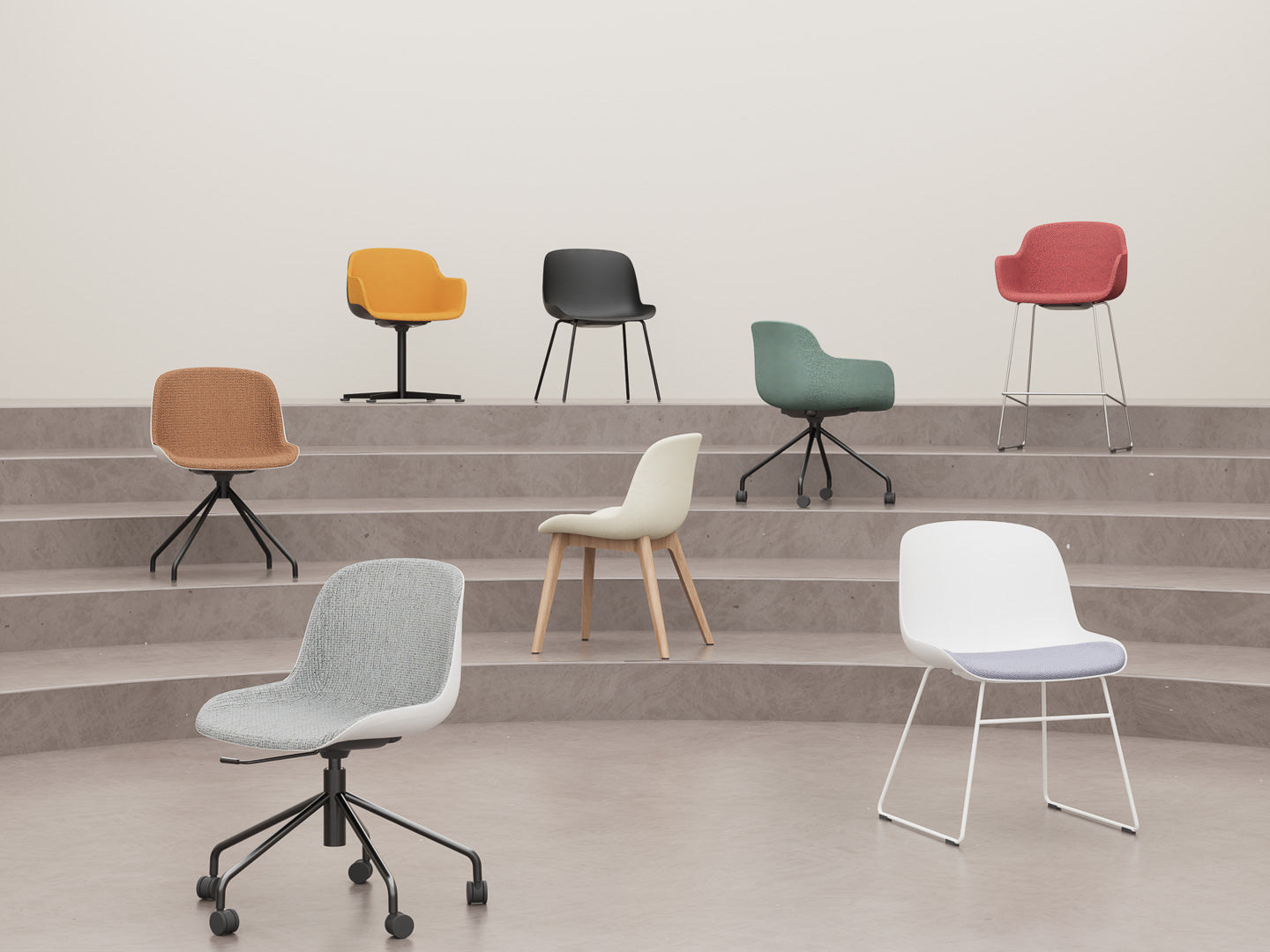
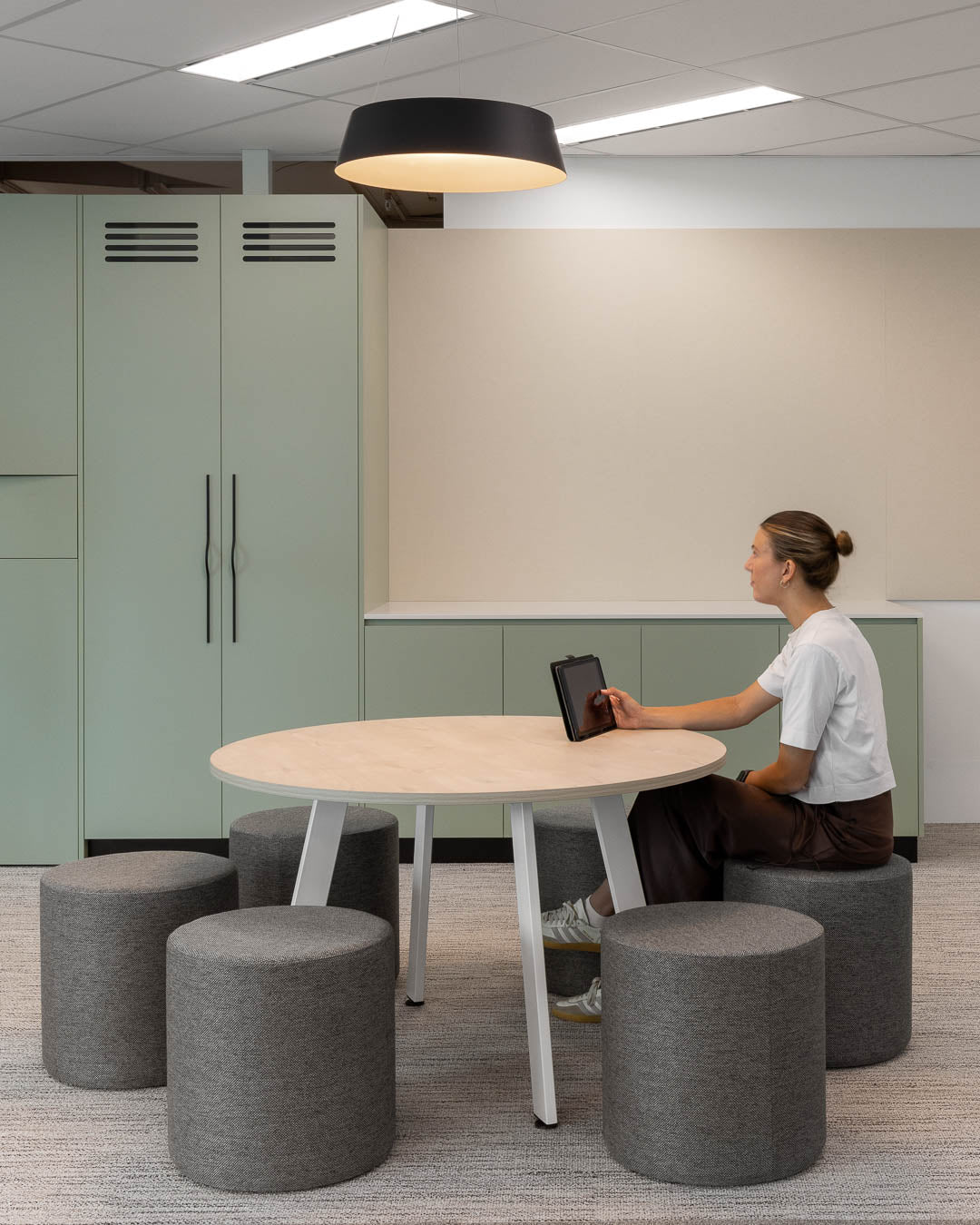
A large number of meeting room chairs and breakout seating pieces were reupholstered to give them a second life. This approach extended the usable life of the furniture, reduced material sent to landfill and avoided the need for new raw materials. Task chairs were relocated from the previous office and reinstalled, ensuring continuity and minimising waste during the move.

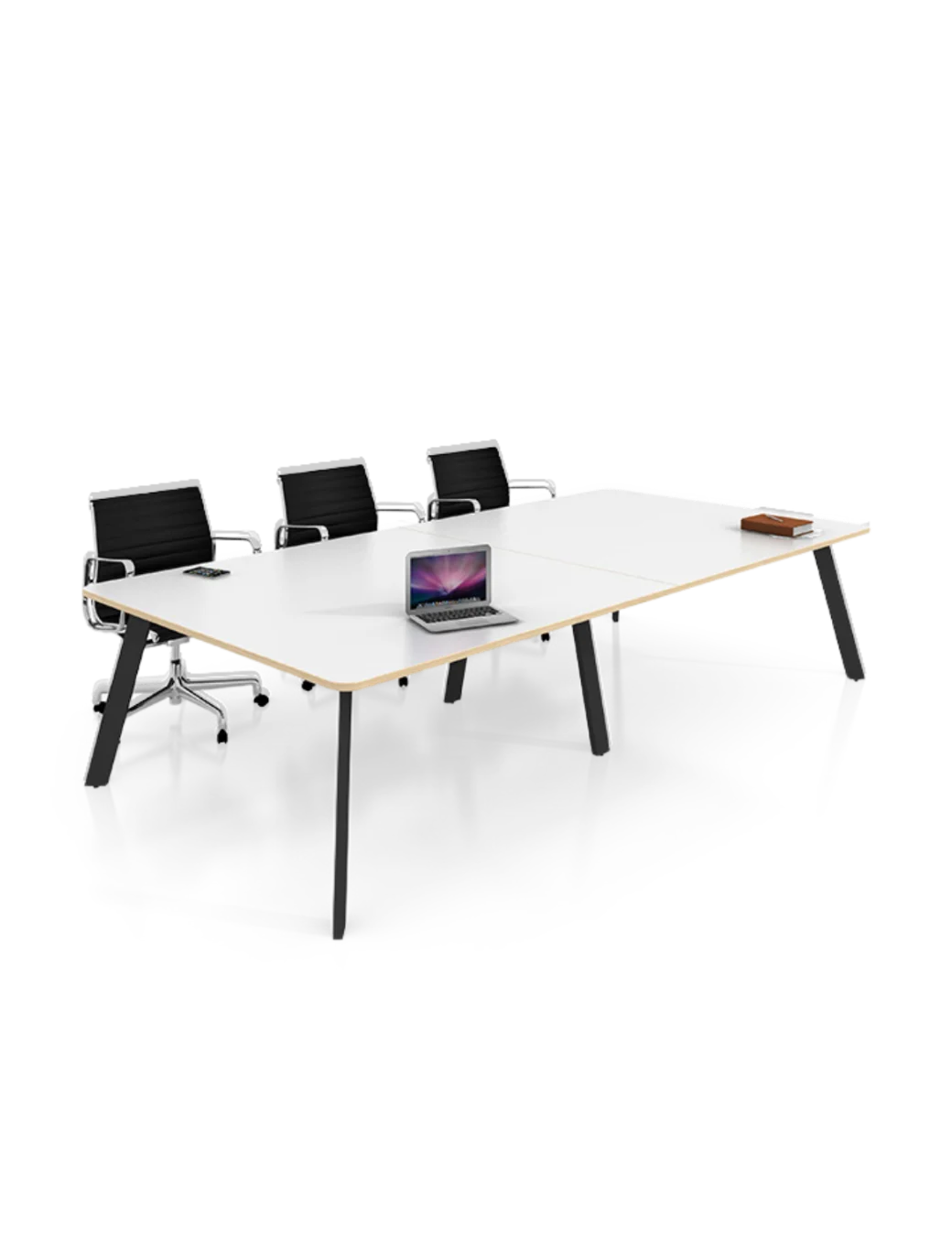
Existing Adapt Workstations originally supplied by HOW Group were refurbished and reconfigured to suit the new layout. Following assessment and upgrades where required, new warranties were issued, reinforcing a long term approach to performance rather than replacement.

New furniture was integrated where required, but always alongside retained and upgraded pieces. The result is a balanced workplace that combines new investment with responsible reuse.

A key feature of the project is a series of acoustic pods by Ecolution Design, introduced to support focused work and private meetings within the open plan.

Seven pods were connected along a wall, with recycled timber slats integrated between them to form a central utilities zone. This configuration provides both enclosed rooms and a practical shared services area within a single architectural element.

Ecolution pods are designed with circular principles in mind. Approximately 75 percent of the materials are recycled, including timber components, aluminium and felt made from recycled denim and textiles. The pods are modular, allowing components to be replaced, expanded or reconfigured as workplace needs change. At end of life, around 99 percent of the materials can be recycled.

With acoustic performance rated to 30 decibels, the pods provide effective sound control while aligning with the broader sustainability goals of the project.